Aspanoa, the charity that supports children with cancer in Aragón, is launching two new research projects into childhood cancer, in this case through its Chair at the University of Zaragoza and in collaboration with the Aragón Institute of Engineering Research (I3A), where these lines of research will be carried out; each will receive a grant of €10,000 as part of the ‘Impulso con Aspanoa’ programme.
Acute myeloid leukaemia is the focus of one of the projects. It is a disease that affects around 45 children in Spain every year. Despite advances in paediatric oncology, relapses are common and the survival rate remains at 71%.
Unlike acute lymphoblastic leukaemia (the most common form in children, with a survival rate now reaching 90%), the revolutionary CAR-T therapies are not proving to be as effective in myeloid leukaemia. One reason is that these CAR-T cells appear to be struggling to access the leukaemic niche within the child’s bone marrow, an environment that is particularly complex, dynamic and distinct from that of adults.
To gain a better understanding of these barriers, the research team will develop the first paediatric ‘bone marrow on a chip’ model specifically designed for childhood acute myeloid leukaemia. This is a microfluidic platform capable of accurately reproducing the biomechanical and biochemical properties of the bone marrow of a child with leukaemia, including aspects such as tissue stiffness and mineralisation, collagen density and the cellular organisation of the leukaemic niche.
 On this platform, researchers will introduce CAR-T cells and observe in real time how they attempt to infiltrate the leukaemia cells. This will provide valuable insights into the barriers that currently limit the effectiveness of this treatment, with the aim, in the medium term, of adapting CAR-T cells to the biology of children in order to improve their survival rates and reduce side effects.
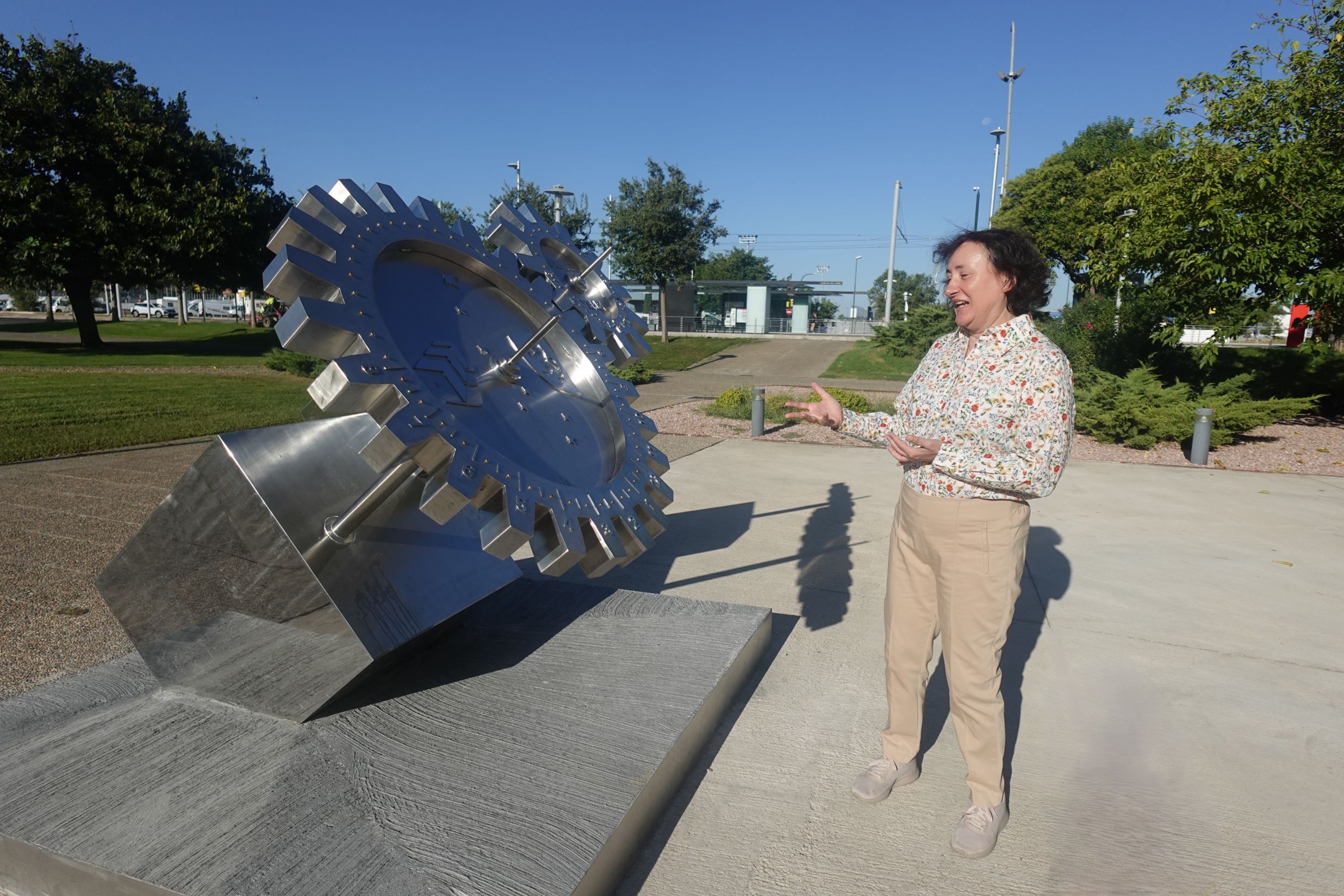
This project is led by researchers María José Gómez Benito (Professor of Continuum Mechanics and Structural Theory at the University of Zaragoza) and Lydia Hörndler Gil (PhD in Molecular Biosciences from San Jorge University), both members of the Multiscale Group in Mechanical and Biological Engineering (M2BE) at I3A, and is being carried out in collaboration with the Pathology Department at Miguel Servet University Hospital in Zaragoza.
From biomedicine to doctor-patient communication
The second project focuses on a more person-centred approach to the care of children with cancer; specifically, it aims to facilitate communication between these young patients, their families and the healthcare team.
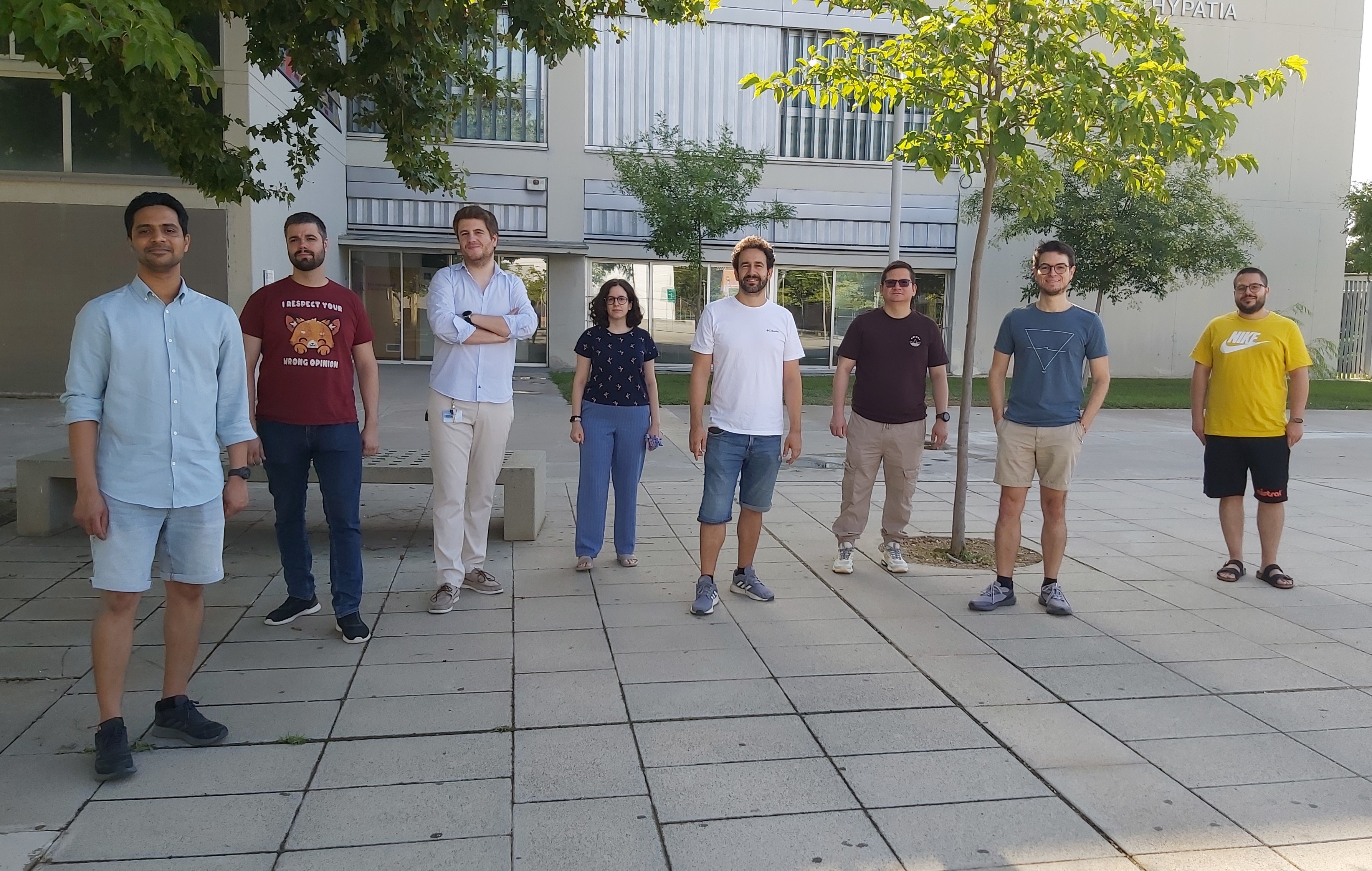
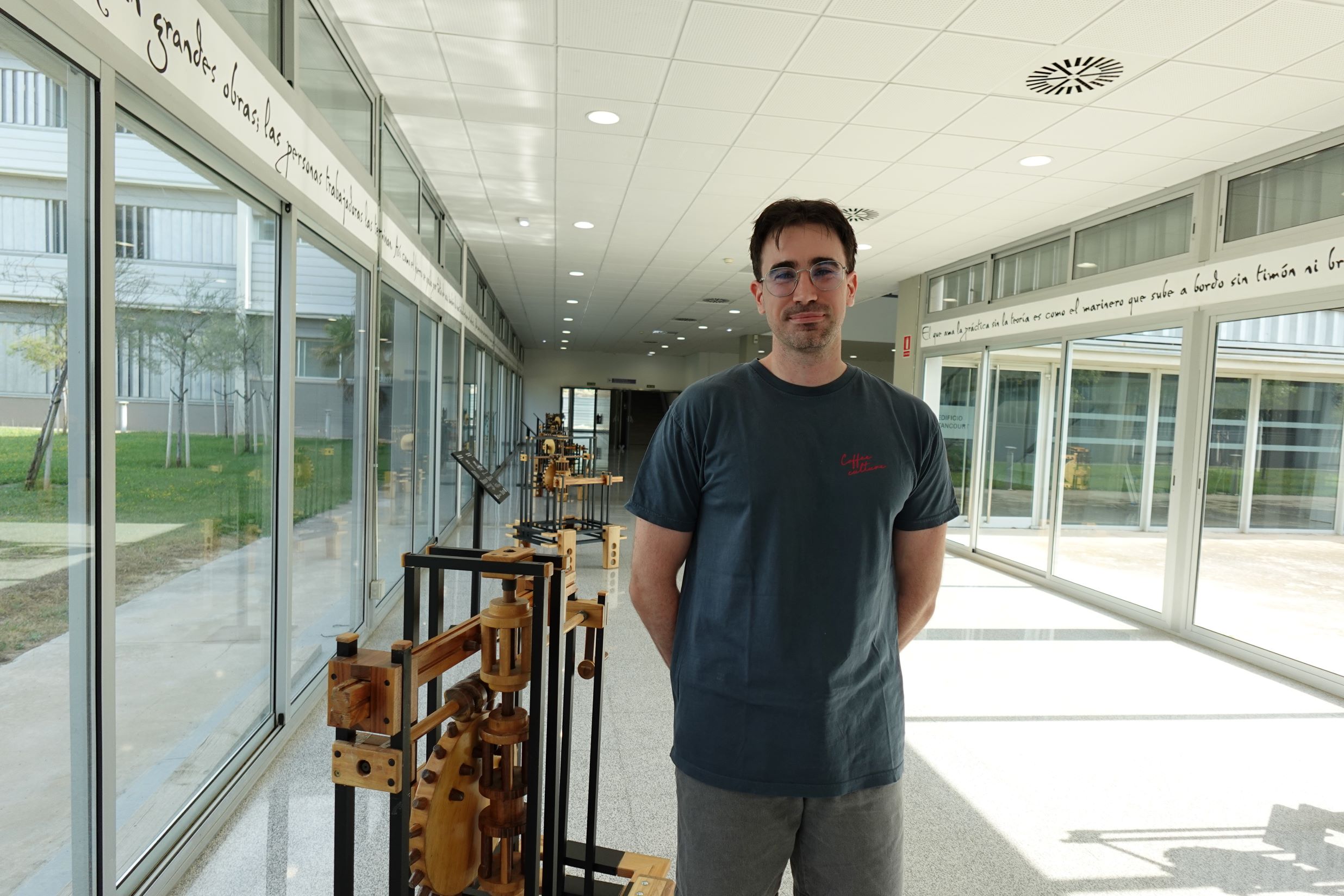
As explained by I3A scientists Jorge Sierra Pérez and Jorge Gracia del Río, coordinators of this initiative, this research stems from a European project currently underway at the University of Zaragoza. It is called 4D Picture and aims to ensure that patients and their loved ones have access to the best possible clinical information throughout the care process, so that they can make well-informed decisions in line with their preferences. In fact, this team is currently working with patients with breast cancer and melanoma, as well as with the healthcare professionals treating them. These researchers belong to the Design for Safety (D4S) and Distributed Information Systems (SID) groups.

With Aspanoa’s support, these scientists aim to draw on all the knowledge and experience they have gained and apply it to paediatric oncology, as communicating medical information to these children is far more complex than with adults for a number of reasons. The main factor is their level of understanding and maturity, as the patients range from very young children to teenagers. This is why the patient’s family members play a particularly active role in decision-making and in informing their son or daughter.
For all these reasons, this team aims to develop an AI-based model capable of analysing, simplifying and adapting clinical information to the level of understanding of each child and their families.
The system will be based on natural language processing techniques and linguistic models specifically trained using existing communication materials and resources in paediatric oncology (such as stories), which will be collected and analysed, as well as through interviews with patients, family members and staff at the Miguel Servet Children’s Hospital in Zaragoza.
In short, the project aims to provide a practical tool for everyday use – that is, to make health information that can be very complex accessible – by using metaphors, figurative language and other linguistic tools typical of childhood.
Three years of ‘Impulso con Aspanoa’
The Aspanoa Chair at the University of Zaragoza is celebrating its third anniversary and, during this time, has supported seven research projects – including these last two – through the ‘Impulso con Aspanoa’ initiative, which accounts for a large part of the chair’s funding, alongside support for Master’s theses (TFM) and undergraduate dissertations (TFG) related to paediatric oncology.
The press conference held this morning at the I3A Unizar headquarters was attended by the Association’s president, Gabriel Tirado, the Chair’s director, Juan Pablo Martínez, and the four scientists coordinating the projects. Tirado expressed his gratitude to the Aragonese company Apartamentos 3000, which has co-funded the Chair over the last two years, contributing almost €20,000 of the €50,000 invested by the Association.
About the I3A
The I3A was the first research institute established by the University of Zaragoza, in 2002. Today, it is one of the leading research centres in Aragon and the foremost in technological research, with over 500 professionals and 35 research groups specialising in Biomedical Engineering, Information and Communication Technologies, Processes and Recycling, and Industrial Technologies. It is committed to innovative science, based primarily on international collaboration. Of particular note is its participation in European projects, consortia and programmes aimed at advancing the knowledge society.
About Aspanoa
Aspanoa is the charity that cares for children with cancer in Aragón, supports their families and promotes research into childhood cancer in the region. Last year, it helped 206 children and teenagers with cancer at various stages of the disease, as well as their parents and siblings. Aspanoa is also the regional charity that allocates the most funds to research into this disease in the whole of Spain, with a current investment of €420,000 spread across 10 projects, all of which are being carried out in laboratories in Aragón.

Photographs: Asier Alkorta/Aspanoa